As we head into 2026, the need for better cooling solutions is only getting more intense. Hydraulic Oil Coolers play such a crucial role in keeping machinery running smoothly and efficiently. I spoke with James Anderson, one of the top experts over at CoolTech Industries, and he pointed out, 'Choosing the right Oil Cooler can really make or break your operation.' That advice hits home — picking a cooler that’s the right fit for your specific needs isn’t just a good idea, it’s essential.
During operation, hydraulic systems tend to heat up pretty quickly. If that heat isn’t managed properly, it can cause machinery to fail or lead to costly downtime. The right Hydraulic Oil Cooler can really extend the life of your equipment and keep things running reliably. But here’s the thing — not all coolers are created equal. Some may fall short when it comes to performance, so it’s really important to look into different models and their specs before making a decision.
There are many factors that influence how well an Oil Cooler performs — things like size, materials used, and the design itself. Even the best advice from industry pros can sometimes miss the mark for a specific application. Sometimes companies end up stuck with a cooler that just doesn’t quite do the job they need it to do. Looking back at past choices can help us make smarter decisions moving forward. Spending a little extra time to pick the right Hydraulic Oil Cooler now can pay off big in the long run — especially as we aim for success in 2026 and beyond.

Overview of Hydraulic Oil Coolers and Their Importance
Hydraulic oil coolers play a crucial role in machinery operations. They help maintain optimal temperatures. High temperatures can damage hydraulic systems. According to industry reports, more than 70% of hydraulic failures stem from overheating. Thus, effective cooling is essential.
Selecting a hydraulic oil cooler involves considering specific parameters. The Dual Pass Oil Cooler is popular for its efficiency. It allows oil to flow through two heat exchange paths. This design maximizes cooling while minimizing space. Operators often face challenges in assessing the right type for their systems.
Maintenance is also a concern; regular cleaning is necessary. Coolers can accumulate debris, leading to reduced performance. Some reports suggest that neglected coolers can increase maintenance costs by 30%. Hence, understanding the importance of routine checks is vital. Choosing the right cooler directly impacts machinery life and reliability.
Key Specifications to Consider When Choosing a Hydraulic Oil Cooler
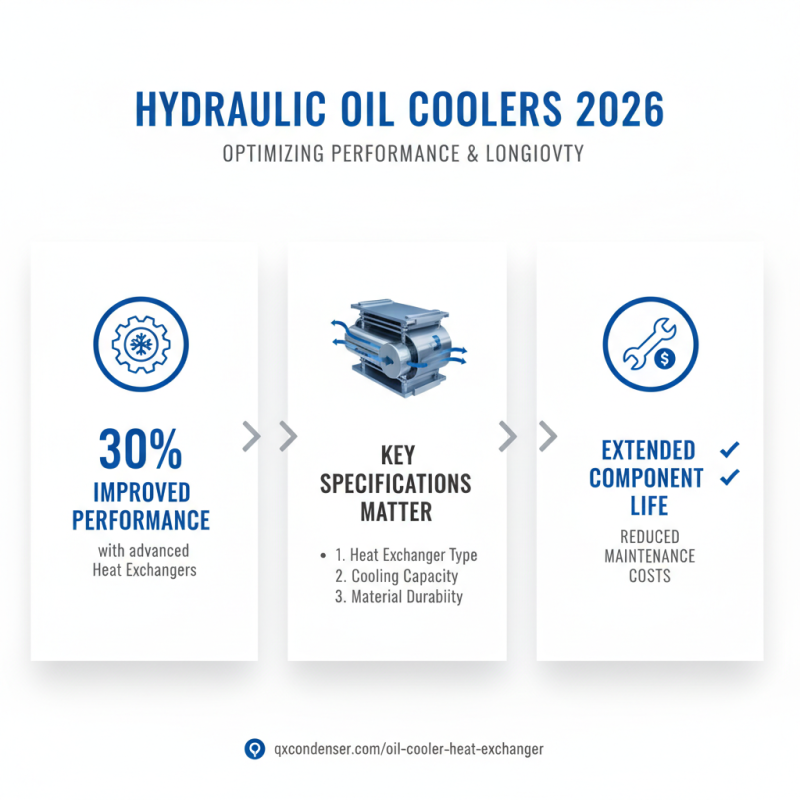
When selecting a hydraulic oil cooler for 2026, key specifications are crucial. The type of heat exchanger plays a significant role in efficiency. Various studies indicate that an Oil Cooler Heat Exchanger can improve thermal performance by nearly 30%. This enhancement in cooling capability extends the life of hydraulic components, reducing maintenance costs dramatically.
Another key specification is the flow rate. Optimal flow rates ensure that the hydraulic system operates efficiently. Research suggests that a flow rate of 10-15 liters per minute is ideal for most applications. However, discrepancies in the actual flow may occur due to installation errors or system design flaws. Tracking real-time data can expose these issues, prompting necessary adjustments.
Material selection is also essential. Common materials include aluminum and steel, each with distinct thermal characteristics. Aluminum coolers are lighter but may corrode quicker. Steel offers durability. Yet, it can be heavier, affecting installation. Regular assessments can help identify the most suitable material for specific environments while considering the trade-offs involved.
Top Hydraulic Oil Cooler Brands for 2026
Hydraulic oil coolers play a crucial role in maintaining optimal temperatures for hydraulic systems. In 2026, several brands stand out in the market due to their technology and durability. Each brand has its unique features, which can make the selection process overwhelming. Reliability and performance are key factors when choosing a cooler.
Some brands focus on compact designs, making them ideal for limited spaces. Others emphasize high efficiency, which can save energy costs over time. It's essential to consider the specific needs of your hydraulic system when researching options. Don't forget to look at customer reviews; they can provide insight into real-world performance.
While many brands offer impressive specifications, quality assurance is equally important. Not all products meet high standards, leading to potential failures. Always pay attention to warranties and available support. This will ensure your investment is protected. Be ready to rethink your choices based on past experiences and changing technology trends.
What is the Best Hydraulic Oil Cooler for 2026? - Top Hydraulic Oil Cooler Brands for 2026
| Cooler Type |
Cooling Capacity (kW) |
Size (mm) |
Weight (kg) |
Material |
Price ($) |
| Air Cooled |
15 |
600 x 400 x 200 |
25 |
Aluminum |
1500 |
| Water Cooled |
20 |
800 x 500 x 300 |
40 |
Copper |
2500 |
| Hybrid Cooled |
25 |
700 x 450 x 250 |
35 |
Stainless Steel |
3000 |
| Plate Heat Exchanger |
18 |
500 x 300 x 200 |
20 |
Titanium |
2000 |
Comparative Analysis of Hydraulic Oil Cooler Models
When evaluating hydraulic oil cooler models for 2026, performance metrics are key. Many studies indicate that efficient cooling directly impacts hydraulic system longevity. The Society of Automotive Engineers (SAE) notes that optimal cooling can enhance system efficiency by up to 25%. This data highlights the importance of selecting the right cooler for various applications, including construction and agricultural machinery.
When comparing models, heat exchange rates matter. For instance, a cooler with a heat exchange efficiency of 90% versus one at 75% can significantly affect operating temperatures. Some models may struggle to maintain ideal temperatures under heavy loads. A recent report from the International Journal of Fluid Mechanics emphasized the need for effective airflow designs. Poor airflow can reduce cooling performance by up to 30%, which is crucial in high-demand environments.
However, not all models meet expectations in real-world scenarios. Durability is a frequent concern; many users report frequent maintenance needs for less robust designs. The American Society of Mechanical Engineers (ASME) highlighted that materials play a pivotal role in performance. A model made from high-strength aluminum may outperform plastic counterparts in harsh conditions but can also introduce new challenges, such as weight management. These insights reveal the intricate balance needed in choosing the best hydraulic oil cooler for future applications.
Technological Advances in Hydraulic Oil Cooler Design
The hydraulic oil cooler has seen significant advances in design. Modern technology focuses on enhancing efficiency and reliability. For instance, the introduction of materials that offer better thermal conductivity is crucial. These materials help maintain optimal operating temperatures. It’s fascinating how a small change can impact performance.
The Dual Oil Cooler setup is gaining traction. This innovative design allows for superior heat dissipation. It offers redundancy, which can be critical in high-demand applications. Users may find that this setup increases system longevity. However, installation can be complex. It’s essential to ensure correct alignment and spacing. A simple miscalculation could lead to inefficiencies.
Many people overlook maintenance. Neglecting regular checks can lead to severe issues. Even with advanced designs, wear and tear can occur. Observing fluid levels and checking for leaks should be routine. Ignoring these steps may result in costly repairs down the line. Understanding technology is crucial, but practical care is equally important.
Maintenance Tips for Maximizing the Lifespan of Your Cooler
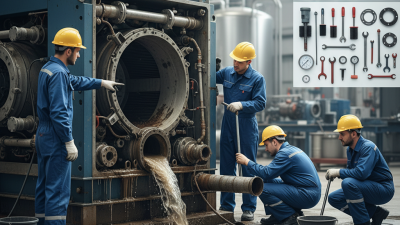
Maintaining your hydraulic oil cooler is crucial for its longevity. Regular cleaning helps prevent dirt buildup. This buildup can obstruct essential airflow, reducing cooling efficiency. It's recommended to inspect the cooler monthly. Check for signs of rust or corrosion. Using a soft brush can help remove debris without damaging the surface.
Keep an eye on fluid levels too. Low fluid levels can lead to overheating. Monitor the fluid quality; contaminated oil can harm the cooler's components. Replace the hydraulic oil as per your equipment's requirements. Sometimes, people overlook scheduled maintenance. This often leads to unexpected failures. Don’t let it happen to you.
Temperature fluctuations can impact the cooler’s performance. If it’s too hot or too cold, the cooler may wear out quicker. Try to maintain a stable environment around the unit. Ensure that the mounting and fittings are secure. Loose components can cause vibrations, leading to premature wear. Address any unusual sounds immediately.
Hydraulic Oil Cooler Performance Comparison (2026)
This chart compares the cooling efficiency and durability rating of various hydraulic oil coolers available in 2026. The performance metrics showcase the effectiveness and longevity of each cooler option, aiding in informed maintenance decisions for maximizing lifespan.
Future Trends in Hydraulic Oil Cooling Systems
In 2026, the hydraulic oil cooling systems landscape is evolving. Companies are turning towards energy-efficient designs. Advanced materials and technologies are at the forefront of these changes. Reports suggest that the global market for hydraulic coolers is expected to grow by 5.7% annually. This growth reflects rising demand across industrial applications.
The focus is now on integrating smart technologies into cooling systems. IoT-enabled coolers can monitor temperatures in real-time. This helps prevent overheating and extends equipment life. Innovations like the Blitz Oil Cooler exemplify this trend. They are designed to maximize cooling efficiency while minimizing energy consumption.
Tips: Regular maintenance can improve overall system performance. Clean filters and inspect hoses often. Remember, a cooler that works well today may not meet future demands. Consider scalability when selecting a cooling system. The future may require more power.
Industries should remain aware of these trends and adapt. The changing standards in hydraulic cooling present challenges. Staying informed can turn those challenges into opportunities.
Maximizing Engine Performance and Longevity: The Essential Guide to Choosing the Right Oil Cooler
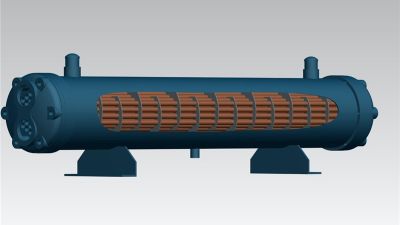
When selecting the right oil cooler to maximize engine performance and longevity, the shell-and-tube design stands out as a robust solution. This type of heat exchanger effectively dissipates heat from lubricating or hydraulic oil by utilizing a secondary cooling medium, either water or air. As oil flows through the tubes, the cooling medium circulates around the shell, facilitating efficient heat transfer. This design ensures that the oil remains at optimal temperatures, critical for maintaining engine performance during continuous and heavy-duty operation.
The high-performance construction of shell-and-tube oil coolers includes specially designed heat transfer surfaces, which enhance operational efficiency. Moreover, their compact form factor enables seamless integration into existing systems, making them versatile across various applications. Built with premium materials and precision manufacturing techniques, these coolers offer exceptional corrosion resistance and mechanical durability. Investing in a quality oil cooler not only contributes to effective thermal management but also plays a significant role in extending the lifespan of the engine components, solidifying its importance in any performance-focused setup.
FAQS
: The product aims to enhance daily life and improve personal wellbeing.
It uses innovative technology to support users in various tasks.
Most users find it intuitive, but some may need initial guidance or practice.
Users may need a compatible device to fully utilize its features.
Yes, there are built-in features for tracking performance over time.
Customer support is available, but response times may vary.
Some features may not be available in all regions. Understand this before use.
It can supplement other tools, but it may not fully replace them.
While many can benefit, individual experiences may differ based on personal needs.
Regular use is encouraged, but results can depend on individual commitment.
Conclusion
Hydraulic oil coolers play a crucial role in maintaining the efficiency and longevity of hydraulic systems by regulating oil temperature. In choosing the best hydraulic oil cooler for 2026, it is essential to consider key specifications such as cooling capacity, size, and compatibility with existing systems. A comparative analysis of different models reveals a range of options tailored to various operational needs, highlighting the importance of selecting a unit that matches specific requirements.
Technological advances in hydraulic oil cooler design continue to enhance performance and energy efficiency. Keeping up with maintenance tips is vital for maximizing the lifespan of your cooler, ensuring reliable operation over time. As future trends emerge, innovations in materials and cooling methods are expected to further improve the effectiveness of hydraulic oil cooling systems, making informed choices more critical than ever.