In the always competitive world of thermal management, having a reliable tube heat exchanger really is a must for many industries. I mean, John Smith, a well-known expert in thermal systems, once said, "Choosing the right OEM or ODM supplier can make a big difference in both efficiency and costs." As companies start thinking ahead to 2026, they’ll need to carefully weigh their options when it comes to potential suppliers to make sure they’re making the right choice.
Things are changing pretty fast, with new technologies helping to boost heat transfer performance like never before. More and more, businesses are on the hunt for custom solutions that fit their specific needs. But here’s the thing—not all suppliers are created equal. Finding one with a proven track record is really key if you want to succeed in the long run.
Deciding which supplier to go with can feel a bit overwhelming. You’ve got to consider things like material quality, innovative design, and really good customer support. And be careful—some suppliers might overpromise just to win your business. Taking the time to thoroughly evaluate each option will definitely pay off in the end when it comes to getting a solid tube heat exchanger setup.
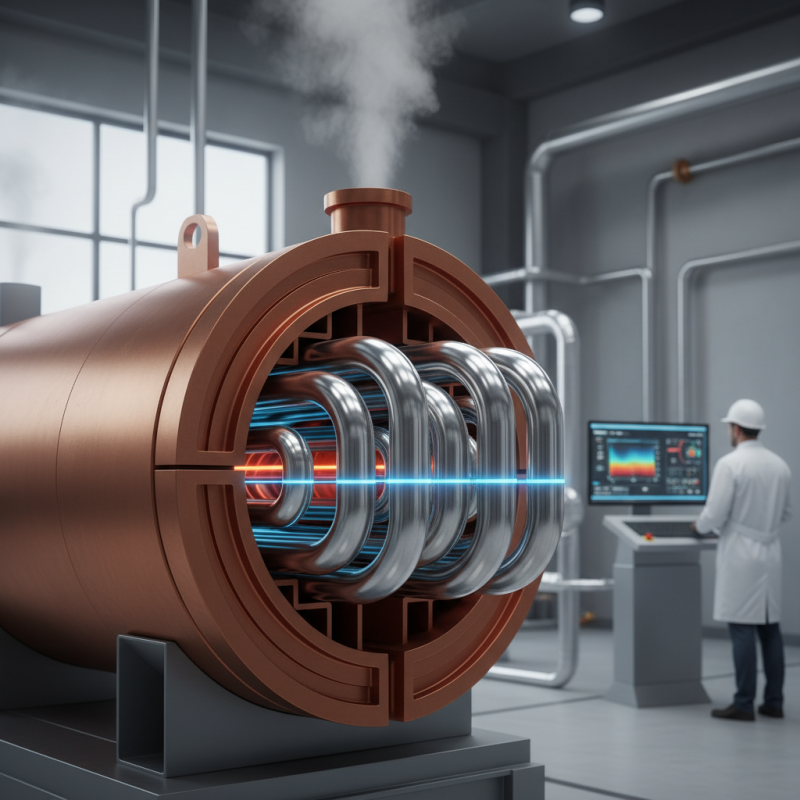
Tube heat exchangers play a vital role in various industries, including HVAC, chemical processing, and automotive applications. They efficiently transfer heat between fluids, enhancing energy efficiency and system reliability. According to recent market reports, the global heat exchanger market is projected to grow at a CAGR of 7.5% between 2021 and 2026. This growth indicates increasing demand for these essential devices.
In the chemical industry, tube heat exchangers enable temperature control in reactions and cooling processes. They are used in refineries and petrochemical plants, where maintaining optimal temperatures is crucial for efficiency. The versatility of tube heat exchangers makes them suitable for both heating and cooling tasks. However, they require regular maintenance to prevent fouling and ensure efficient operation.
Tip: Regularly check for leaks and corrosion in your heat exchangers. Addressing these issues promptly can prevent costly downtime.
The energy sector is also a significant user of tube heat exchangers. Power plants utilize them for cooling turbine exhausts and generating steam. The reports suggest that innovative designs will drive further efficiency in this sector. It's essential to evaluate the material compatibility and flow rates to optimize performance. Companies must stay informed about evolving standards and technologies in heat exchange systems.
Choosing the right OEM ODM tube heat exchanger supplier is crucial for production success. There are key criteria to examine during this process. Start with the supplier's experience in the industry. A company with years of experience often understands customer needs better. Look for suppliers who specialize in heat exchanger technology. Their expertise can lead to improved efficiency in manufacturing.
Another factor is the supplier’s ability to provide customized solutions. Not all projects are the same, and different applications call for unique designs. Ensure the supplier can adapt to your specifications. Communication is vital here. Poor communication can lead to misunderstandings. A reliable supplier should be transparent and responsive throughout the project.
Additionally, quality assurance processes must be a focus. Check if the supplier has strict quality control measures in place. This can prevent costly errors and delays. However, it’s wise to consider that no supplier is perfect. Mistakes can happen, but suppliers should have systems for addressing issues. Reflecting on their problem-solving approach is essential for a long-term partnership.
| Supplier Type | Experience (Years) | Product Range | Certifications | Minimum Order Quantity | Lead Time (Weeks) | Customer Support |
|---|---|---|---|---|---|---|
| OEM | 15 | Multiple models of tube heat exchangers | ISO 9001, CE | 500 units | 4 | 24/7 available |
| ODM | 10 | Customized heat exchangers and components | ISO 14001, ASME | 300 units | 6 | Dedicated account manager |
| OEM | 20 | Standard and high-efficiency models | ISO 9001, NSF | 1000 units | 8 | Live chat support |
| ODM | 5 | Specialized solutions for specific industries | RoHS, UL | 200 units | 5 | Email support |
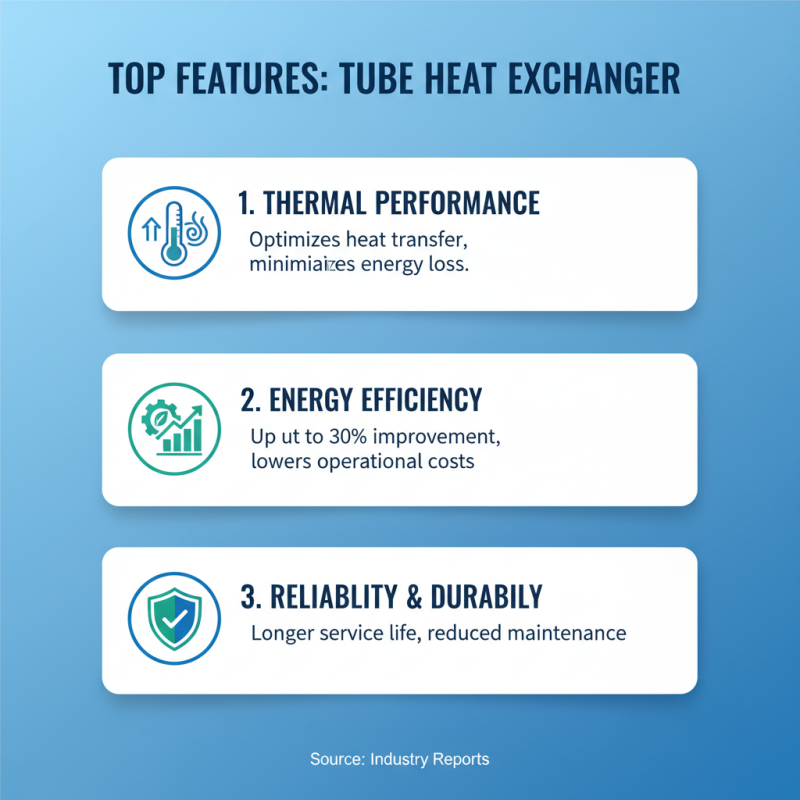
When considering a tube heat exchanger, focus on specific features that determine efficiency and reliability. One significant aspect is thermal performance. Efficient heat exchangers optimize heat transfer while minimizing energy loss. According to industry reports, a well-designed unit can enhance energy efficiency by up to 30%. This level of performance contributes to lower operational costs for businesses.
Material selection is vital. Tubes made from stainless steel or copper offer excellent corrosion resistance, which is critical in many applications. Corrosion can lead to system failures, increasing maintenance costs. Studies indicate that about 25% of heat exchanger failures result from poor material choices. Therefore, investing in durable materials is necessary.
Another feature to consider is ease of maintenance. Flexible designs allow for simple cleaning and repairs. Many companies underestimate the importance of maintenance accessibility. Inadequate maintenance can reduce lifespan and efficiency. A robust design may include removable sections or cleaning ports that facilitate routine service. This approach can minimize downtime and extend the overall life of the equipment.
In 2026, the demand for OEM ODM tube heat exchangers is expected to soar. The global market is projected to reach $9.2 billion by 2027, growing at a CAGR of 7.8%. This surge highlights the importance of selecting reliable suppliers with expertise in this field. Tube heat exchangers are crucial for numerous applications, including cooling systems, industrial processes, and HVAC systems.
Leading suppliers in this sector are characterized by their ability to provide customized solutions. They invest in advanced technologies and materials to enhance efficiency and sustainability. A report by Market Research Future indicates that 30% of companies seeking heat exchangers value energy efficiency as a primary factor in their decision-making process. This is a significant trend that impacts supplier evaluation.
However, potential pitfalls exist. Some suppliers may overstate their capabilities or fail to deliver on time. Companies must conduct thorough due diligence. Evaluating suppliers based on past performance, customer feedback, and production capacity can lead to better choices. Investing time in supplier assessment will pay off in the long run, ensuring that operational needs are met without compromising quality.
In the world of tube heat exchangers, selecting a supplier involves weighing cost against quality. Many manufacturers provide attractive pricing, yet this often comes with a trade-off. Cheaper options might employ lower-grade materials, leading to reduced efficiency or a shorter lifespan. A seemingly small cost difference can escalate into significant expenses over time when maintenance and replacement come into play.
Quality tube heat exchangers feature superior design and advanced materials. They ensure optimal thermal performance and minimal fouling. Some suppliers may offer extensive warranties, indicating confidence in their products. This assurance can signal reliability. However, the complexity of quality assessment often leads to confusion. Potential buyers must be vigilant and educated about what constitutes high standards in manufacturing.
Not all options on the market can meet specific industry requirements. Discrepancies in performance might not be immediately evident. Many buyers overlook the importance of certification and compliance with industry standards. As a result, they might choose suppliers based solely on immediate financial incentives. Reflecting on these decisions is crucial, as they can affect long-term operational efficiency.
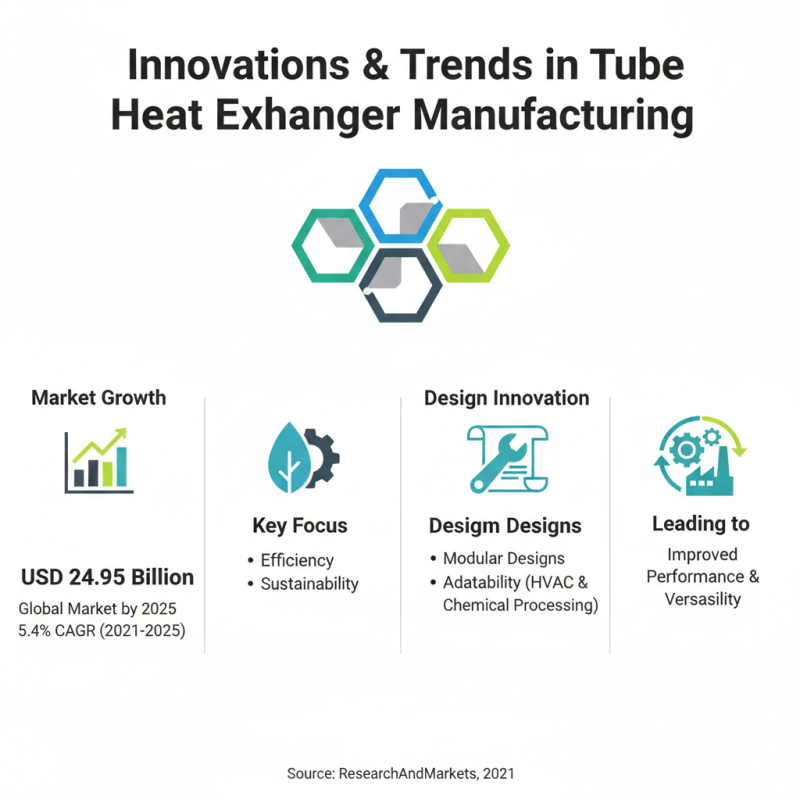
Recent advancements in tube heat exchanger manufacturing highlight the growing importance of efficiency and sustainability. The global market for heat exchangers is projected to reach USD 24.95 billion by 2025, with a CAGR of 5.4% (ResearchAndMarkets, 2021). Manufacturers are prioritizing innovative designs. Modular heat exchanger designs are now popular due to their adaptability in various applications, from HVAC systems to chemical processing.
Developments in materials have also been notable. New alloys and composites offer enhanced thermal conductivity and corrosion resistance. A report by Grand View Research indicates that materials like titanium and stainless steel are gaining traction. However, the environmental impact of material sourcing raises questions. Sustainable manufacturing practices must match the innovative potential of materials used in heat exchangers to reduce overall carbon footprints.
Market players are focusing on smart technology integration, such as IoT sensors that monitor performance. These innovations improve operational efficiency. However, challenges remain with integration costs and data security. Ensuring that these systems are reliable yet affordable is paramount. Reflecting on these trends shows a complex landscape where innovation must balance efficiency with ethical manufacturing practices.
When choosing an OEM ODM tube heat exchanger supplier, evaluating reliability is crucial. Start by assessing their operational history. A supplier with years of experience often shows adaptability and resilience. Check their industry reputation by reviewing customer testimonials and feedback online. Authentic reviews provide valuable insights into reliability.
Next, focus on customer support quality. A responsive supplier can resolve issues quickly. Engage in conversations with their support team. Notice their willingness to assist and provide detailed information. Consider response times. Prolonged delays may indicate underlying problems.
Finally, reflect on any inconsistencies in communication or service. These might highlight areas for improvement. No supplier is perfect, but understanding their weaknesses helps you gauge their commitment to growth. The right partnership will foster long-term success for all parties involved.
: Tube heat exchangers are used in HVAC, chemical processing, and automotive industries. They efficiently transfer heat between fluids.
They enhance energy efficiency and system reliability. This leads to improved performance in various applications.
They help control temperatures in reactions and cooling processes. This is critical for maintaining efficiency in refineries.
Regular checks for leaks and corrosion are essential. This prevents fouling and ensures efficient operation.
Manufacturers are focusing on innovative designs and sustainable materials. New alloys improve thermal conductivity and corrosion resistance.
IoT sensors are being integrated for performance monitoring. This boosts operational efficiency, though integration costs can be high.
Environmental impacts of sourcing materials raise concerns. Sustainable practices need to match innovation in material use.
The market is expected to grow at a CAGR of 7.5% from 2021 to 2026. This indicates increasing global demand.
Companies need to evaluate material compatibility and flow rates. Staying informed about evolving standards is crucial.
Yes, challenges include high integration costs and potential data security issues. Balancing reliability with affordability is necessary.
This article provides a comprehensive overview of tube heat exchangers, highlighting their various applications across industries. It emphasizes key criteria for choosing an OEM ODM supplier, such as quality, manufacturing capabilities, and customer support. The discussion also covers essential features to consider when selecting a heat exchanger, including efficiency, durability, and ease of maintenance.
Furthermore, the article presents leading suppliers in the tube heat exchanger market for 2026 while offering a comparative analysis of cost versus quality. It sheds light on the latest innovations and trends in manufacturing, ensuring that potential buyers are informed about advancements. Lastly, practical tips for evaluating supplier reliability and customer support are provided, enabling businesses to make well-informed decisions in their procurement processes.