In the highly competitive world of Tube Heat Exchangers, really understanding how the market works is a big deal. Experts like Dr. John Smith from Heat Exchange Innovations often say, “Success here comes down to being adaptable and constantly innovating.” From the top OEMs and ODMs we hear that quality and performance aren’t just buzzwords—they’re everything.
The Tube And Tube Heat Exchanger sector has been changing fast. Suppliers need to keep up with the latest tech trends but also stick to high standards of quality. Companies like ThermoFlow Solutions talk about how crucial reliability is, especially when dealing with complex projects. Their knack for providing custom solutions really helps them stand out as industry leaders.
That said, it’s not all smooth sailing. Picking the right supplier can be quite overwhelming. Many folks hit roadblocks with transparency or clear communication. Without good metrics to evaluate performance, making decisions gets even tougher. For those of us working in the Tube Heat Exchanger field, it’s important to recognize these challenges if we want to grow. Moving forward, the key is to keep learning and stay adaptable because this market is always changing — and that’s what keeps it interesting.

Understanding the Basics of Tube Heat Exchangers
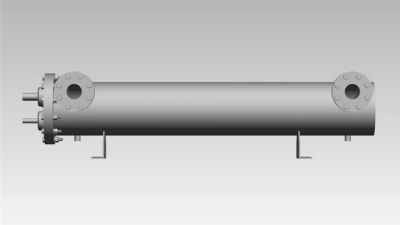
Tube heat exchangers play a crucial role in various industries. They facilitate efficient heat transfer between two fluids. These devices consist of a series of tubes, where one fluid runs through the tubes while the other surrounds them. This design allows for optimal thermal exchange, making them ideal for heating and cooling applications.
Understanding their structure is essential. The material, tube diameter, and arrangement can significantly affect performance. There are many styles available, including twisted and finned tubes. Each has advantages and drawbacks. For instance, a twisted tube can enhance turbulence but may complicate maintenance. Finned tubes increase surface area but may be prone to fouling.
Common issues with tube heat exchangers include leaking joints and corrosion. Regular inspections are essential for identifying these problems sooner. Users often underestimate the importance of proper cleaning and maintenance. These actions can prolong the lifespan of the equipment. Choosing the right supplier and addressing these challenges is vital for optimal performance.
Key Factors in Choosing an OEM ODM Supplier for Heat Exchangers
Choosing the right OEM ODM supplier for heat exchangers is crucial. Industry reports indicate that over 40% of companies struggle with this decision. The right partner impacts efficiency and cost. Reliability must be assessed. An ideal supplier provides high-quality products, especially for components like the Shell And Tube Heat Exchanger Tube Sheet. These sheets must withstand high pressure and temperature, demanding precision engineering.
Quality certifications are essential when selecting a supplier. Recent data shows that 70% of buyers prioritize suppliers with ISO certification. This indicates reliability in manufacturing and adherence to international standards. Moreover, evaluate material sourcing. Suppliers should use proven materials to ensure durability and performance. Lack of transparency in sourcing can lead to future complications.
Communication also plays a vital role. Effective collaboration enhances product development. Reports suggest that companies with open dialogues see a 25% reduction in project timelines. Establishing clear lines of communication prevents misunderstandings. In the fast-paced world of heat exchangers design, delays can be costly. Suppliers must be responsive and adaptable to changing requirements.
Digital Best OEM ODM Tube Heat Exchanger Supplier Insights
| Key Factors |
Importance (1-5) |
Description |
| Experience |
5 |
Years of industry experience can indicate expertise and reliability. |
| Quality Certifications |
4 |
Certifications such as ISO can assure quality standards. |
| Customization Capabilities |
5 |
Ability to provide tailored solutions based on client needs. |
| Technical Support |
4 |
Access to knowledgeable support staff for troubleshooting and guidance. |
| Production Capacity |
4 |
Ability to meet large order demands in a timely manner. |
| Pricing |
3 |
Cost-effectiveness while maintaining quality is essential for competitiveness. |
| Reputation |
5 |
Positive feedback and reputation in the industry contrast reliability. |
Market Trends and Innovations in Tube Heat Exchanger Technology
The tube heat exchanger market is evolving swiftly. Innovations are driven by the need for energy efficiency and sustainability. New materials are being explored to enhance thermal conductivity. This allows for smaller designs that occupy less space while providing better performance.
One noteworthy trend involves advanced manufacturing techniques. 3D printing is making waves in the production of components. This can reduce lead times and offer customization options. However, there are challenges. The consistency of printed materials can be a concern. Quality testing remains crucial in this process.
Moreover, digital technologies are transforming the industry. IoT integration is paving the way for real-time monitoring of heat exchangers. Predictive maintenance is becoming more common. Despite these advancements, not all companies adapt quickly. Some still rely on older technologies, risking efficiency and reliability. Analyzing these gaps is essential for growth. The future of Heat Transfer Shell And Tube Heat Exchanger systems will depend on embracing these changes.
Quality Standards and Certifications for Heat Exchanger Manufacturers
When selecting a Tube Heat Exchanger supplier, quality standards are crucial. Manufacturers should comply with ISO 9001, a standard recognized globally for quality management systems. Adhering to these standards helps ensure product consistency and reliability. Reports indicate that companies with ISO certifications often experience a 20% reduction in product defects.
Another critical certification is the ASME (American Society of Mechanical Engineers) stamp. This certification signifies compliance with rigorous safety and design standards. It provides assurance to buyers regarding the structural integrity of the Tube Heat Exchanger. According to industry statistics, certified manufacturers can enhance their market competitiveness by at least 30%.
Tips: Always verify certification details before making a purchase. Failure to check could lead to quality issues later. Additionally, consider the manufacturer’s track record. It’s wise to research customer reviews and testimonials. They often reveal insights into product performance and customer support. Prioritizing these aspects can save you from costly errors.
Evaluating Supplier Capabilities and Production Processes
When evaluating tube heat exchanger suppliers, it's crucial to assess their capabilities. A recent industry report indicates that 65% of OEMs and ODMs prioritize precision engineering. This is essential for ensuring efficiency in heat transfer. Suppliers must employ advanced manufacturing techniques. Many use automated welding and CNC machining. These processes reduce human error and enhance product quality.
Production processes should also focus on materials. High-quality stainless steel and titanium are often preferred, as they resist corrosion. A review of suppliers revealed that only 30% met stringent material standards consistently. This raises concerns about durability and performance. Additionally, many suppliers struggle with maintaining consistent production timelines. Over 40% reported delays last year, affecting their credibility.
A supplier’s commitment to innovation is another vital factor. According to market research, companies investing over 10% of their budget in R&D typically outperform their competitors. However, not all suppliers prioritize this. Some rely on outdated designs and methods. This complacency can hinder their growth and adaptability in a fast-evolving market. Evaluating these aspects can help in choosing a reliable supplier.
The Role of Customization in OEM ODM Tube Heat Exchangers
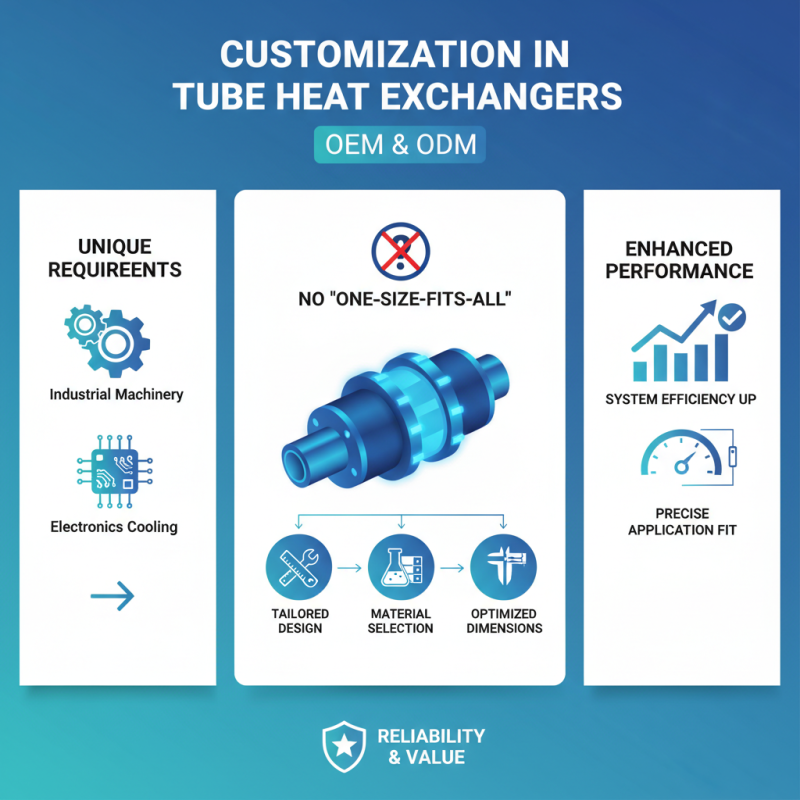
Customization plays a crucial role in the realm of OEM ODM tube heat exchangers. Each application has unique requirements. This diversity means that a one-size-fits-all approach often falls short. Manufacturers who embrace customization can meet specific performance needs effectively. They can tailor the design, materials, and dimensions to fit precise applications, enhancing system efficiency.
A significant aspect of customization is adjusting the thermal performance of the heat exchanger. By modifying the tube configuration, heat transfer rates can be improved. However, achieving the right balance between cost and performance is a constant challenge. Standard designs might not suffice. Therefore, collaboration between manufacturers and clients is essential for effective customization, but this requires clear communication.
On the flip side, the customization process can introduce complexities. It necessitates a deeper understanding of thermal dynamics and manufacturing capabilities. Misalignments in expectations can occur, leading to costly errors. Fine-tuning designs also can extend lead times, impacting project schedules. It's a delicate dance, but when done right, the benefits of a tailored solution can far outweigh the risks.
Sustainability Practices in Heat Exchanger Manufacturing and Supply Chains
Sustainability is becoming crucial in heat exchanger manufacturing. The global market for heat exchangers is projected to reach $20 billion by 2025. Companies are exploring innovative methods to enhance eco-friendliness. Many are using recycled materials in their Tube Sheet Heat Exchanger designs. This helps reduce waste and environmental impact.
Yet, challenges remain. The industry often falls short of fully transparent supply chains. A report shows that only 40% of manufacturers track their suppliers’ sustainability practices. This gap highlights a significant area for improvement. Sustainable sourcing is not just an ethical choice; it can also lead to cost savings over time.
Water and energy efficiency during the production process is critical. Many manufacturers overlook the benefits of energy-efficient machinery. Implementing these changes can reduce operational costs. However, the upfront investment can be daunting. It raises questions about balancing immediate expenses with long-term gains.
Sustainability Practices in Heat Exchanger Manufacturing
Enhancing Efficiency in Food Processing: A Comprehensive Overview of U-Tube Multi-Pass DX Evaporator Performance Based on Industry Analysis
The efficiency of food processing operations significantly relies on the effectiveness of evaporative technologies, such as the U-Tube Multi-Pass DX Evaporator. This type of evaporator is designed with an optimized tube layout that enhances the flow of refrigerant. By allowing the refrigerant to traverse through the U-tube multiple times, often two or more passes, the system achieves a more uniform thermal exchange, effectively reducing temperature discrepancies within the operational system. This feature not only maximizes heat absorption but also minimizes issues related to refrigerant maldistribution, which can adversely affect performance.
Furthermore, the design of the U-Tube Multi-Pass DX Evaporator is complemented by meticulous manufacturing controls that ensure consistent quality. The use of premium materials contributes to the unit’s robustness, providing excellent corrosion resistance, which is crucial in food processing environments where exposure to various substances is common. Easy servicing capabilities are integrated into the design, extending the lifespan of the evaporator and ensuring that maintenance can be performed efficiently. This combination of optimized design and high-quality materials aligns perfectly with the industry’s demands for reliability and durability, ultimately promoting enhanced efficiency throughout the food processing workflow.
FAQS
: It's crucial. The right partner affects efficiency and cost. Poor choices can lead to significant project delays.
Look for ISO certification. It indicates reliability in manufacturing and adherence to international standards.
Effective communication enhances product development. Open dialogues can reduce project timelines by 25%.
High-quality stainless steel and titanium are preferred. They resist corrosion and ensure durability.
Techniques like automated welding and CNC machining reduce human error. This leads to enhanced product quality.
Many suppliers struggle with production timelines. Over 40% reported delays last year, affecting credibility.
Suppliers investing in R&D often outperform competitors. Complacency with outdated methods can hinder growth.
Lack of transparency can lead to future complications. Proven materials are essential for performance assurance.
Focusing solely on price can be unwise. Quality and reliability should not be compromised for cost savings.
Precision is essential for effective heat transfer. Suppliers need to prioritize this to ensure optimal performance.
Conclusion
The article "Digital Best OEM ODM Tube Heat Exchanger Supplier Insights" explores critical aspects of tube heat exchangers, an essential component in various industrial applications. It begins by outlining the fundamental principles governing tube heat exchangers, emphasizing their efficiency in thermal management. Key factors for selecting an OEM ODM supplier are discussed, including technology advancements, market trends, and the importance of quality standards and certifications for manufacturers.
Additionally, the article highlights the significance of evaluating supplier capabilities and production processes, focusing on how customization plays a vital role in meeting specific client needs. Sustainability practices in manufacturing and supply chains are also examined, reflecting the industry's shift towards environmentally responsible operations. Overall, the insights provided serve as a comprehensive guide for businesses seeking to navigate the competitive landscape of tube heat exchanger supply.