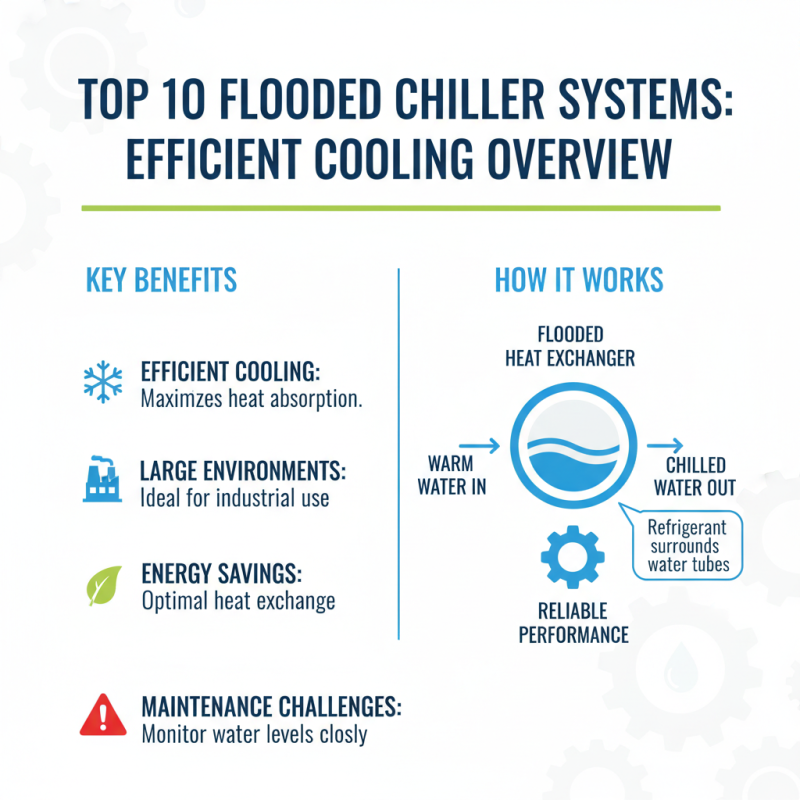
Looking for more efficient ways to cool stuff? Well, Flooded Chiller systems are definitely worth checking out. These units take a pretty unique approach—they use refrigerant flooding the evaporator to boost heat exchange, which means they do a good job at cooling while still being mindful of energy use. Big names like Trane and Carrier are leading the charge here, offering innovative designs that fit a variety of industrial needs.
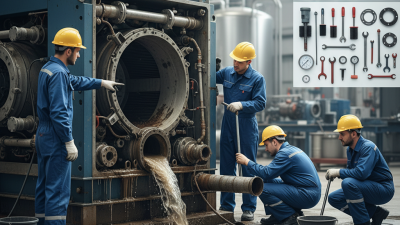
Basically, in a Flooded Chiller, the refrigerant floods the evaporator, helping to improve performance—especially when it comes to large-scale cooling jobs. That said, not all systems are the same. Some might need quite a bit more maintenance, which can get a bit tricky if you're planning to rely on them long-term.
If you dig into the top options out there, you’ll find they each have their pro’s and con’s. Some are great when it comes to saving energy, but others might not be as reliable over time. Picking the right one really depends on what you need, and being aware of the possible trade-offs. At the end of the day, each system offers a potential boost in efficiency but also comes with its own set of challenges when it comes to durability and maintenance.
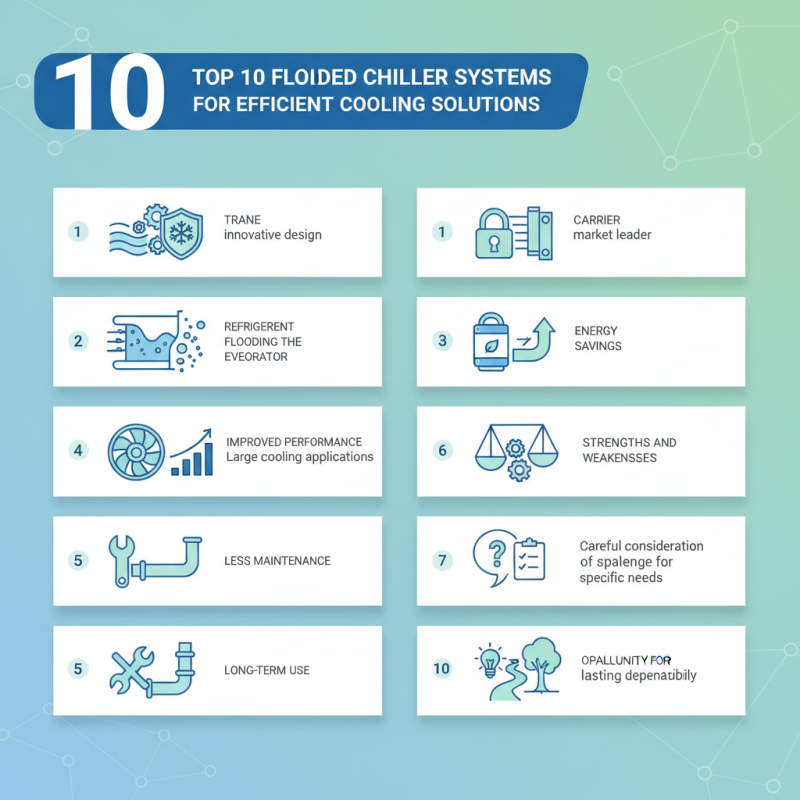
Top 10 Flooded Chiller Systems: An Overview of Efficient Cooling Solutions
Efficient cooling is essential for many industrial processes. Flooded chiller systems provide effective temperature control. These systems use a Flooded Heat Exchanger to maximize cooling efficiency. They offer reliable performance, especially in large environments. Their design allows for optimal heat absorption, promoting energy savings. However, maintenance can be challenging. Operators must monitor water levels closely to avoid issues.
The flooded heat exchanger operates differently than traditional systems. It circulates refrigerant through a liquid-filled chamber. This approach enhances heat transfer. Despite their advantages, these systems can face stability problems. Temperature fluctuations may occur without proper management. It’s crucial to implement correct monitoring techniques. Regular maintenance checks are necessary to avoid downtime.
Investing in flooded chiller systems can be rewarding. They contribute to lower energy costs and increased reliability. Still, users must weigh the complexities involved. Understanding the unique challenges is key. There is always room for improvement in efficiency and effectiveness. Adopting a proactive maintenance strategy can help mitigate risks.
Understanding Flooded Chiller Systems: How They Function and Their Benefits
Flooded chiller systems are gaining attention in the cooling industry for their efficiency. These systems utilize a
Flooded Type Evaporator,
which allows refrigerant to flood the evaporator coils. This method improves heat transfer and reduces energy consumption.
Research shows that flooded chillers can be 10-15% more efficient compared to traditional designs.
Many facilities benefit from these systems, especially in large-scale applications. Data indicates that operational costs can significantly decrease due to higher cooling efficiency. However, some challenges persist.
Maintenance can be complex, requiring specialized knowledge to prevent issues like flooding or leaks.
Moreover, not all installations are ideal for flooded systems. Space constraints and specific cooling requirements must be considered. Understanding these variables is crucial. Adapting to the unique needs of each facility remains a common obstacle.
Thus, while flooded chiller systems offer compelling benefits, careful analysis is necessary before implementation.
Key Considerations for Selecting Flooded Chiller Systems in Various Industries
When selecting flooded chiller systems, several key considerations come to light. First, assess the cooling efficiency required for your industry. Data shows that flooding can improve heat transfer by up to 30%. This increased efficiency is crucial for industries like manufacturing or food processing, where temperature control is vital.
Pay attention to the ambient conditions where the chiller will operate. Some systems perform poorly in high humidity. Understand the climate and evaluate how it could affect your cooling equipment's longevity. Tips: Conduct a thorough site survey before installation. Inadequate planning may lead to failures later.
Another factor is the system’s maintenance needs. Flooded chillers often require specific upkeep procedures. Neglecting maintenance can lead to poor performance and increased operational costs. Choose systems with user-friendly maintenance designs. Tips: Schedule regular inspections. They help identify issues early on, saving resources down the road. Always reflect on your choices—sometimes, a less complex system may yield better results.
Top 10 Flooded Chiller Systems for Efficient Cooling Solutions
This chart illustrates the cooling capacity of various flooded chiller systems, highlighting their efficiency in providing reliable cooling solutions across different industries.
Comparative Analysis of Top 10 Flooded Chiller Systems: Performance Metrics
When analyzing flooded chiller systems, performance metrics play a crucial role. These systems utilize a flooded evaporator, which allows refrigerant to cover heat exchange surfaces. This design improves heat transfer efficiency. However, not all flooded chillers perform equally.
In our comparative analysis, we examined cooling capacity and energy efficiency. Some systems struggled with temperature fluctuations, affecting comfort levels. A few were surprisingly noisy, raising concerns about their operational environment. Others, though effective, needed more maintenance, which increases overall costs. User experiences varied, revealing that performance can depend on system design and installation.
Temperature stability is essential for many applications. Some systems could not maintain desired set points under varying loads. Reliability also reflects in how quickly a chiller can respond to changes. Overall, while options exist, potential flaws create opportunities for further improvement in flooded chiller technology. Balancing efficiency, durability, and noise levels remains a challenge for manufacturers and users alike.
Top 10 Flooded Chiller Systems for Efficient Cooling Solutions
| Model |
Cooling Capacity (kW) |
Energy Efficiency Ratio (EER) |
Operating Temperature Range (°C) |
Noise Level (dB) |
| Model A |
300 |
3.5 |
-5 to 45 |
60 |
| Model B |
250 |
3.8 |
-10 to 40 |
62 |
| Model C |
500 |
4.0 |
-5 to 50 |
58 |
| Model D |
400 |
3.2 |
0 to 45 |
64 |
| Model E |
350 |
3.6 |
-5 to 42 |
61 |
| Model F |
450 |
3.4 |
-10 to 45 |
63 |
| Model G |
375 |
3.7 |
-5 to 50 |
59 |
| Model H |
425 |
4.2 |
0 to 47 |
57 |
| Model I |
300 |
3.3 |
-5 to 45 |
65 |
| Model J |
490 |
3.9 |
-10 to 48 |
60 |
Energy Efficiency Ratings: Evaluating Flooded Chiller Systems' Sustainability
Energy efficiency is crucial in today's competitive landscape. Flooded chiller systems have gained attention for their sustainable cooling solutions. Many facilities are considering their energy efficiency ratings. These ratings help identify the most effective systems available.
Flooded chiller systems utilize a Flooded Shell And Tube Evaporator. This design maximizes the surface area for heat exchange. It ensures optimal refrigerant flow, enhancing performance in various conditions. However, some models still fall short of expected standards. For example, older systems may exhibit inefficiency due to poor insulation, leading to increased energy consumption.
Evaluating energy efficiency is not just about numbers. It is essential to consider the overall system design and operational practices. Regular maintenance can significantly impact performance. Sometimes, facilities overlook simple adjustments. Small changes can lead to improved efficiency and lower costs in the long term. Striving for sustainability means addressing these aspects seriously.
Case Studies: Successful Implementations of Flooded Chiller Systems
Flooded chiller systems have demonstrated remarkable efficiency in various industrial applications. One notable case involved a large manufacturing facility that replaced its traditional cooling system with a Flooded Evaporator System. The company reported a 20% reduction in energy consumption within the first year. This change not only improved their operational efficiency but also contributed to their sustainability goals.
In another instance, a data center implemented a flooded chiller system to manage their cooling needs. The system allowed for more effective heat absorption, which led to an increase in cooling capacity by 15%. However, this case highlighted the importance of regular maintenance; some components faced unexpected wear, requiring a review of their upkeep procedures. These insights illustrate the potential of flooded evaporator systems while also emphasizing that continuous improvement is necessary.
Data from industry reports indicate that flooded chiller systems can achieve up to 40% better efficiency compared to traditional chillers. Yet, as these systems scale, they can become complex. Understanding the balance between implementation costs and long-term savings is crucial. Investing in technology should be approached thoughtfully, as each facility has unique requirements.
Future Trends in Flooded Chiller Technology: Innovations and Advancements
Flooded chiller systems are evolving rapidly. Future trends indicate a significant shift towards
energy efficiency and
sustainability. Innovative technologies are
emerging, making these systems smarter and more efficient. For instance, advanced sensors can
monitor performance in real time. This allows for quick adjustments to improve efficiency.
Many new designs focus on reducing waste. They incorporate
heat recovery systems
that utilize excess heat for other processes. However, these advancements can come with challenges.
Implementation costs can be high, and not all facilities can adapt quickly. There is a need for
ongoing training and education to keep up with these new technologies.
Artificial intelligence is another area of growth.
AI can optimize chiller operations, predicting failures before they happen. It can also fine-tune
settings based on external conditions. However, reliance on technology raises concerns about
security and
data integrity. Ultimately, the landscape of
flooded chiller systems will continue to change, presenting both opportunities and obstacles.
FAQS
: Flooded chiller systems are recognized for their efficiency in cooling applications.
They use a flooded evaporator design, enhancing heat transfer and reducing energy consumption.
Flooded chillers can be 10-15% more efficient than traditional designs.
Maintenance can be complex and requires specialized knowledge to prevent issues.
No, space constraints and specific cooling needs must be considered.
Neglecting regular maintenance or adjustments may lead to inefficiencies.
Simple adjustments can lead to significant improvements and lower long-term costs.
A manufacturing facility reduced energy use by 20% after switching to a flooded chiller system.
It requires looking beyond numbers to system design and operational practices.
Ongoing maintenance and review are vital to sustain performance and efficiency.
Conclusion
The article "Top 10 Flooded Chiller Systems for Efficient Cooling Solutions" provides a comprehensive overview of flooded chiller systems, emphasizing their functionality and benefits in various industrial applications. Flooded chillers operate by maintaining a constant refrigerant level that enhances heat transfer efficiency, making them a preferred choice for energy-conscious operations. Key considerations for selecting these systems include capacity, application requirements, and energy efficiency ratings, which are crucial for sustainability.
The comparative analysis of the top 10 flooded chiller systems highlights their performance metrics, showcasing how these systems effectively meet cooling demands across different sectors. Furthermore, case studies demonstrate successful implementations, while the article also explores future trends in flooded chiller technology, addressing upcoming innovations and advancements that promise to enhance their efficiency and reliability in cooling solutions.