Leave Your Message
As global demand for precious metals, base metals, and rare earth elements continues its unprecedented surge, mining operations are forced to plunge deeper into the Earth's crust than ever before. At depths exceeding 2,000 to 3,000 meters, mining engineers face a formidable, invisible enemy: extreme subterranean heat. The virgin rock temperatures at these profound depths can easily surpass 60°C (140°F) due to the geothermal gradient. Combined with the auto-compression of ventilation air drawn from the surface, the immense heat emitted by heavy mechanized diesel or electric mining equipment, and the metabolic heat from mine workers, the subterranean environment becomes exceptionally hostile.
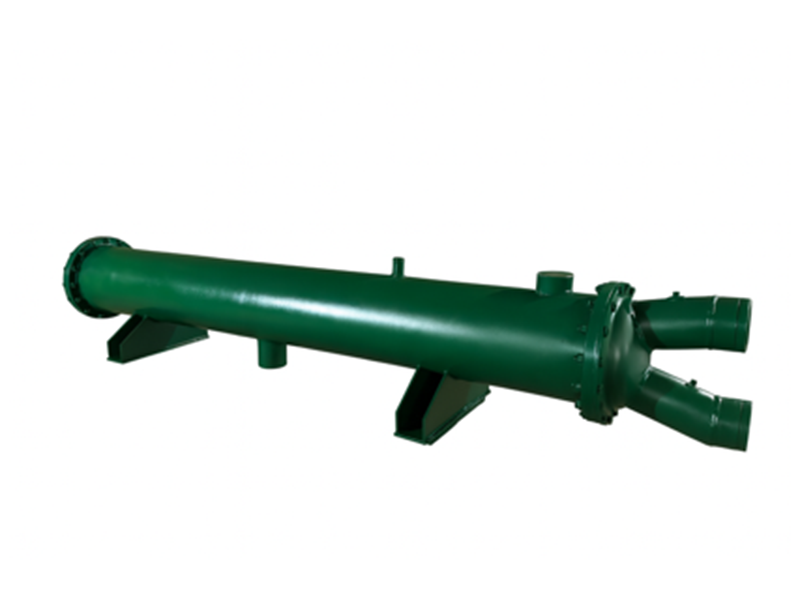
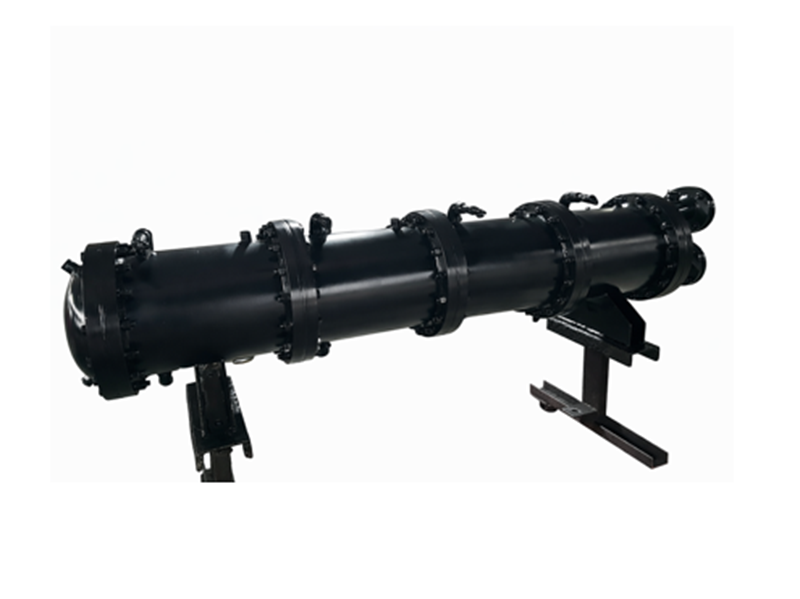
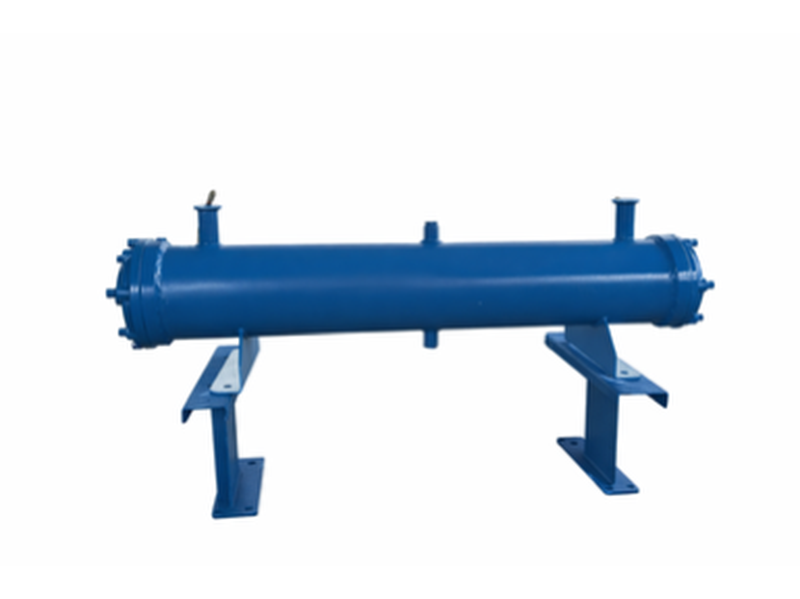
Without robust and highly efficient underground ventilation cooling systems, these extreme temperatures pose severe risks. They can lead to fatal heatstroke, drastically decreased cognitive function among miners, and a sharp increase in occupational accidents. Furthermore, excessive heat significantly reduces the operational efficiency and lifespan of expensive mining machinery. To combat this thermodynamic nightmare, massive refrigeration plants are deployed, either on the surface or deep underground. At the very heart of these mission-critical cooling systems lies the Tube In Shell Condenser For Mining Underground Ventilation Cooling. This robust heat exchanger is designed to reject the immense heat loads absorbed from the mine air into cooling water systems, serving as the fundamental technological pillar that makes deep-level mining biologically and mechanically viable.
Understanding the necessity of a heavy-duty Tube In Shell Condenser requires a grasp of the thermodynamic forces at play in a deep shaft. The primary sources of heat include:
Engineered with high-grade alloys to withstand highly corrosive mine fissure water and abrasive particulate matter.
Optimized tube-bundle geometry ensures maximum heat rejection even under severe underground spatial constraints.
Straight-tube designs allow for mechanical brushing and hydro-blasting, preventing catastrophic fouling and scaling.
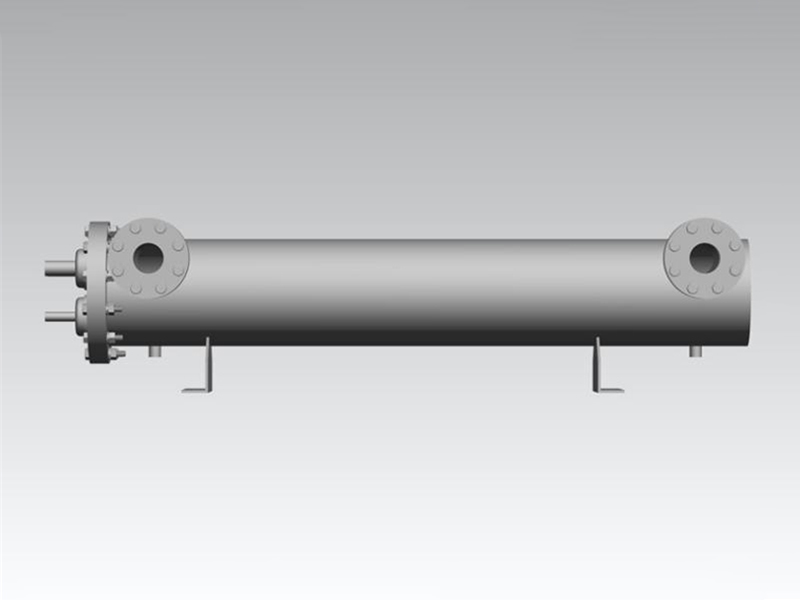
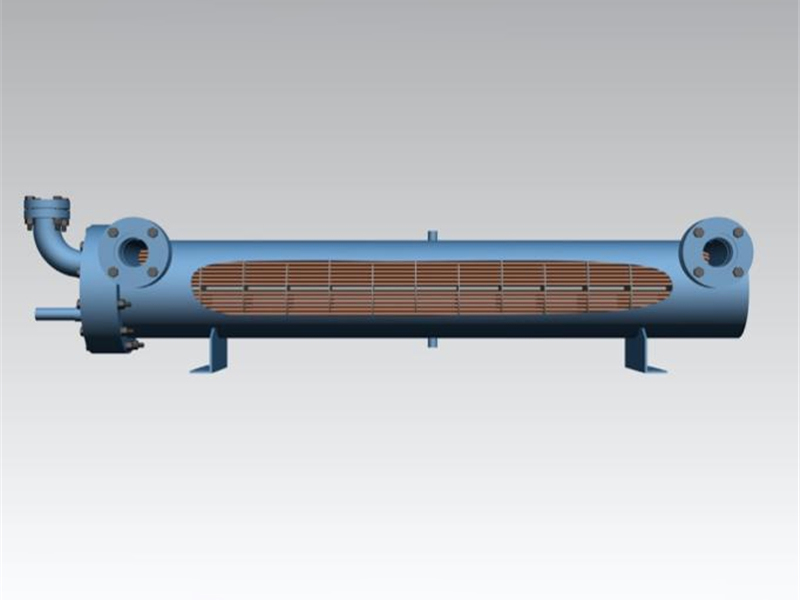
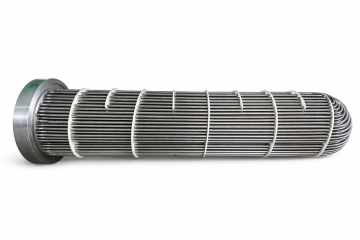
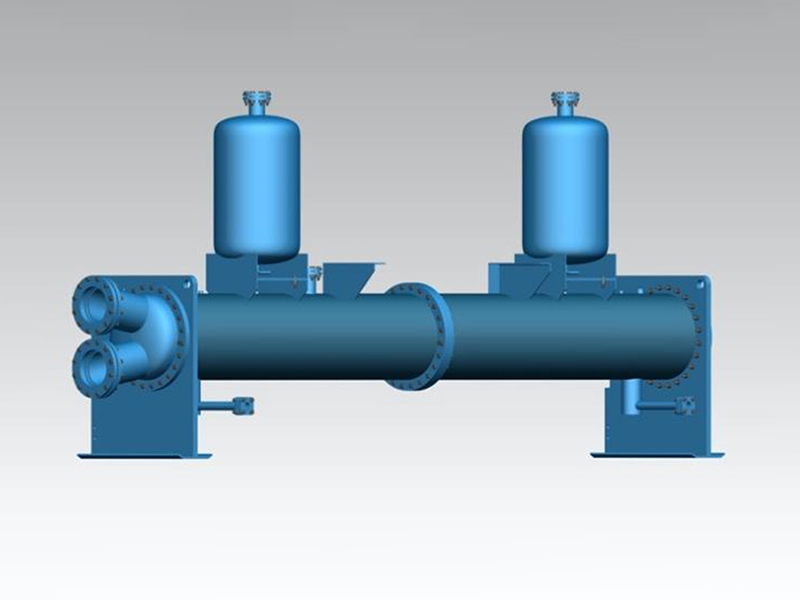
The fundamental architecture of a Tube In Shell Condenser consists of a large, high-pressure cylindrical shell containing a dense bundle of precisely aligned tubes. In the context of mining underground ventilation cooling, high-pressure, high-temperature refrigerant vapor discharged from the refrigeration compressor enters the shell side. Simultaneously, cooling water—often sourced from mine dewatering systems, underground dams, or surface cooling towers—circulates rapidly through the tubes. As the hot refrigerant vapor contacts the exterior surface of the cooler tubes, it condenses back into a liquid, transferring its massive latent heat to the water flowing inside.
Why is this specific heat exchanger design ubiquitous in the mining sector? The answer lies in its unparalleled ruggedness and adaptability to extremely harsh conditions. Mine water is notoriously aggressive. It is frequently laden with suspended solids, abrasive rock dust, and highly corrosive dissolved minerals, including elevated levels of chlorides, sulfates, and heavy metals. Alternative heat exchanger designs, such as plate heat exchangers, are highly susceptible to clogging and gasket failure under such conditions. Conversely, Tube In Shell Condensers can be manufactured with heavy-duty materials to withstand this corrosive onslaught.
To combat the extreme conditions of deep mining, manufacturers employ advanced metallurgical solutions. Tubes are frequently crafted from Titanium, Cupronickel (CuNi), or Super-Duplex Stainless Steel. These materials offer exceptional resistance to pitting, crevice corrosion, and stress-corrosion cracking. The outer shell, typically constructed from high-tensile carbon steel, is often lined with specialized industrial epoxies or rubberized coatings to prevent degradation. Furthermore, the robust construction allows these condensers to operate safely under extreme hydrostatic pressures, a common reality when cooling water is pumped over significant vertical distances.
The deployment architecture of a Tube In Shell Condenser for mining underground ventilation cooling varies drastically based on the mine's depth, layout, and specific ore body. Here is an in-depth look at the primary application scenarios:
1. Surface Bulk Air Cooling (BAC) Plants: For mines operating at depths up to 1,500 meters, refrigeration plants are often situated on the surface. Here, massive tube-in-shell condensers operate in tandem with monumental cooling towers. The refrigeration cycle produces chilled water that is sprayed directly into the downcast ventilation shafts or passed through massive cooling coils. The condensers in these surface plants benefit from cleaner atmospheric conditions but must be scaled to handle tremendous thermal capacities, often exceeding 20 to 50 Megawatts of cooling per shaft.
2. Deep Underground Refrigeration Plants: When operations surpass the 2,000-meter mark (common in South African gold mines and Canadian base metal mines), pumping chilled water from the surface becomes thermodynamically and economically inefficient due to pressure buildup and heat gain along the vertical piping. Instead, refrigeration plants are installed deep underground in excavated plant rooms. Here, the Tube In Shell Condensers must be highly compact to fit into the limited spatial constraints of mine tunnels. Heat rejection is particularly challenging; condenser cooling water is usually pumped to underground cooling towers (which reject heat into the exhaust ventilation air) or pumped all the way back to the surface.
3. Localized Spot Cooling for Development Ends: In blind headings or development ends where the main ventilation airflow cannot penetrate effectively, localized spot coolers are deployed. These are smaller, skid-mounted refrigeration units utilizing highly compact tube-in-shell condensers. They provide immediate, life-saving thermal relief to drillers, explosive riggers, and heavy machinery operators working at the very face of the advancing rock.
The future of the Tube In Shell Condenser for mining underground ventilation cooling is intrinsically linked to the broader trend of mine digitalization, automation, and Industry 4.0. As mines transition into "smart mines," their critical cooling infrastructure is undergoing a technological renaissance.
AI-Driven Predictive Maintenance: The integration of Artificial Intelligence (AI) and the Internet of Things (IoT) is revolutionizing how these massive condensers are managed. By installing smart sensors that continuously monitor water flow rates, pressure drops across the tube bundle, approach temperatures, and acoustic vibration, AI algorithms can create a real-time "digital twin" of the condenser. Machine learning models analyze these data streams to predict fouling rates with pinpoint accuracy, alerting operators exactly when mechanical cleaning is necessary. This eliminates traditional "run-to-failure" scenarios, optimizing energy consumption and preventing catastrophic, million-dollar downtimes.
Variable Flow Optimization via Neural Networks: AI control systems are now being utilized to dynamically adjust the flow of cooling water through the condenser based on real-time underground thermal loads. If a specific mining section is temporarily inactive, the AI automatically reduces the cooling output, adjusting the condenser's operational parameters to save massive amounts of pumping energy and reduce mechanical wear.
Eco-Friendly Refrigerants and ESG Compliance: With the global phase-down of high-GWP (Global Warming Potential) refrigerants, condensers are being meticulously redesigned to operate with newer, eco-friendly refrigerants like HFOs, or natural fluids like Ammonia. These new fluids possess different thermodynamic properties, requiring precise re-engineering of the shell-side baffle spacing and tube layouts to maintain optimal phase-change efficiency, directly supporting the Environmental, Social, and Governance (ESG) goals of modern mining conglomerates.
Wuhan Qiaoxin Refrigeration Equipment Co., Ltd. was established in 2003 and is located in Wuhan, Hubei Province—China’s major transportation hub connecting nine provinces. The company is a modern enterprise specializing in the research, design, manufacture, and sales of shell-and-tube condensers, evaporators, and other heat-exchange products. In terms of technology, Qiaoxin has consistently maintained a leading position in the domestic market.
Qiaoxin holds Class I and Class II Pressure Vessel Design Licenses and a Pressure Vessel Manufacturing License. The company is equipped with advanced production facilities, including CNC machining centers, CNC tube expanders, CNC cutting machines, and CO₂ flux-cored gas-shielded welding equipment, as well as a team of experienced professionals who have long been engaged in heat exchanger design and manufacturing. Through continuous research, development, and practical application, Qiaoxin has established a comprehensive management system that encompasses the entire process, from design and manufacturing to installation and commissioning, across a range of heat exchanger types and scales.


The company is capable of providing products for a wide range of operating conditions, featuring rigorous and innovative designs, meticulous workmanship, and the flexibility to meet diverse customer requirements. Qiaoxin has also passed the ISO 9001:2008 international quality management system certification, ensuring strict control over the entire process of product development, design, production, inspection, and after-sales service through an advanced quality management system.


QiaoXin was established in Wuhan. As a start-up enterprise, the company—like many others—faced challenges in product promotion, financial management, and operational efficiency. Through professional expertise and strong perseverance, QiaoXin successfully overcame these initial obstacles and achieved steady growth.
After only one year of operation, QiaoXin earned the trust of one of China’s most well-known enterprises, Midea. This partnership marked a significant milestone, and the two companies have maintained continuous cooperation ever since.
Following four years of rapid development, QiaoXin had built a strong reputation within the domestic market. To support business expansion, the company relocated to its current facility and invested in advanced precision machinery and specialized equipment for heat exchanger manufacturing, further enhancing production capability and product quality.
QiaoXin began supplying products to other internationally recognized corporations, including Dunham-Bush and Carrier. Our products gained broad recognition not only domestically but also overseas, and QiaoXin was increasingly regarded by manufacturers as a reliable and resilient supplier.
QiaoXin officially established its export business, marking a new phase of international development. Since then, our products have been exported to more than 20 countries and regions, including South Korea, Malaysia, Vietnam, and India, among others.
While we are grateful for the achievements made to date, QiaoXin remains committed to continuous improvement and long-term partnership development. We will consistently uphold our core principles by delivering high-quality products at competitive prices. We look forward to the opportunity to serve you and to building a successful and enduring partnership together.
“Quality First, Pursuit of Perfection” is the guiding principle of Qiaoxin’s development. After years of growth, the company has earned widespread praise from customers at home and abroad for its outstanding product performance and efficient, responsive service. Its products are exported to Europe and the United States (PED certified), Southeast Asia, Africa, and throughout China, serving well-known domestic air-conditioning brands such as Midea, Chigo, Dunham-Bush, and TICA.
Driven by a strong sense of mission toward the advancement of China’s refrigeration industry, Qiaoxin is committed to applying cutting-edge refrigeration technologies to promote harmonious coexistence between humanity and nature. Looking ahead, the company will continue to follow a path of harmonious, healthy, and scientifically grounded development, upholding the philosophy that “character comes before products, and quality is the lifeblood of an enterprise.” With dedication and enthusiasm, Qiaoxin strives to provide customers with high-value products and reliable, efficient service.
Contact us