
Leave Your Message
In the current global energy landscape, industrial power plants are facing unprecedented pressure to enhance thermal efficiency while simultaneously reducing carbon emissions. Steam, as a primary energy carrier, often loses significant heat during transport and after performing work in turbines. This "waste steam" or condensate represents a massive reservoir of unrecovered energy. The Tube In Tube Condenser has emerged as a cornerstone technology for capturing this latent heat, particularly in decentralized or medium-scale industrial power systems.
Unlike traditional shell-and-tube exchangers, the tube-in-tube (or double-pipe) configuration allows for a true counter-flow arrangement. This is critical for industrial power plant steam recovery because it maximizes the temperature gradient between the hot steam and the cooling medium, enabling the recovery of low-grade heat that would otherwise be rejected to the atmosphere.
Recent industrial data suggests that integrating high-efficiency condensers into the steam cycle can improve overall plant efficiency by 3% to 8%. In an era of volatile fuel prices and stringent environmental regulations (such as the EU's Carbon Border Adjustment Mechanism), these gains translate directly into competitive advantages and regulatory compliance.
Wuhan Qiaoxin Refrigeration Equipment Co., Ltd. was established in 2003 and is located in Wuhan, Hubei Province—China’s major transportation hub connecting nine provinces. The company is a modern enterprise specializing in the research, design, manufacture, and sales of shell-and-tube condensers, evaporators, and other heat-exchange products. In terms of technology, Qiaoxin has consistently maintained a leading position in the domestic market.
Qiaoxin holds Class I and Class II Pressure Vessel Design Licenses and a Pressure Vessel Manufacturing License. The company is equipped with advanced production facilities, including CNC machining centers, CNC tube expanders, CNC cutting machines, and CO₂ flux-cored gas-shielded welding equipment, as well as a team of experienced professionals who have long been engaged in heat exchanger design and manufacturing. Through continuous research, development, and practical application, Qiaoxin has established a comprehensive management system that encompasses the entire process, from design and manufacturing to installation and commissioning, across a range of heat exchanger types and scales.

The application of a Tube In Tube Condenser for Industrial Power Plant Steam Recovery is not a one-size-fits-all solution. It requires a deep understanding of the thermodynamic state of the steam and the chemical composition of the condensate.
Boiler blowdown is necessary to maintain water purity, but the high-pressure water released flashes into steam when the pressure drops. A tube-in-tube condenser can be used to capture this flash steam to preheat boiler feed water. The compact nature of the tube-in-tube design makes it ideal for retrofitting into existing, space-constrained blowdown pits.
In many power plants, condensate returns to the deaerator at temperatures that are too high for efficient pumping. Utilizing a tube-in-tube condenser as a sub-cooler allows the plant to transfer that excess heat to a secondary process (like space heating or domestic hot water) while ensuring the condensate is at the optimal temperature for the return pumps, preventing cavitation.
As seen in our Spiral Baffle Condensers, the introduction of helical flow paths significantly increases the heat transfer coefficient. By inducing turbulence at lower Reynolds numbers, these condensers prevent the formation of a stagnant boundary layer, which is the primary bottleneck in steam-to-liquid heat exchange.
For industrial facilities operating CHP plants, the tube-in-tube condenser acts as the bridge between the power cycle and the thermal load. Its ability to handle high pressure differentials between the inner and outer tubes makes it the safest and most reliable choice for high-pressure steam applications where fluid separation is paramount.


The company is capable of providing products for a wide range of operating conditions, featuring rigorous and innovative designs, meticulous workmanship, and the flexibility to meet diverse customer requirements. Qiaoxin has also passed the ISO 9001:2008 international quality management system certification.


The trajectory of Industrial Power Plant Steam Recovery is moving toward "Smart Thermal Management." We are seeing several key trends that will define the next decade of condenser design:
While copper and carbon steel remain standard, there is a growing shift toward high-nickel alloys and titanium for tube-in-tube condensers used in aggressive steam environments (such as those found in chemical power plants or waste-to-energy facilities). These materials offer superior resistance to stress corrosion cracking and erosion-corrosion caused by high-velocity steam droplets.
Modern condensers are increasingly being equipped with IoT sensors to monitor fouling factors in real-time. By integrating these data points into a "Digital Twin" of the power plant, operators can predict maintenance cycles and optimize cleaning schedules, ensuring the condenser always operates at peak efficiency.
As industrial plants move toward decentralized power generation (Micro-grids), the demand for modular steam recovery units is skyrocketing. Tube-in-tube condensers are naturally suited for this, as they can be stacked in parallel or series to match varying steam loads without the massive engineering overhead of custom shell-and-tube designs.
The market for waste heat recovery systems in power plants is expected to grow at a CAGR of 6.5% through 2030. Asia-Pacific, led by China's "Dual Carbon" goals, remains the largest market for these technologies, followed closely by North America and Europe, where energy efficiency is being driven by policy mandates.
QiaoXin was established in Wuhan. Through professional expertise and strong perseverance, QiaoXin successfully overcame initial obstacles and achieved steady growth.
Earned the trust of Midea, marking a significant milestone in long-term cooperation.
Relocated to current facility and invested in advanced precision machinery for heat exchanger manufacturing.
Began supplying to internationally recognized corporations, including Dunham-Bush and Carrier.
Officially established export business, reaching over 20 countries including South Korea, Malaysia, and India.
Committed to continuous improvement and delivering high-quality products at competitive prices.
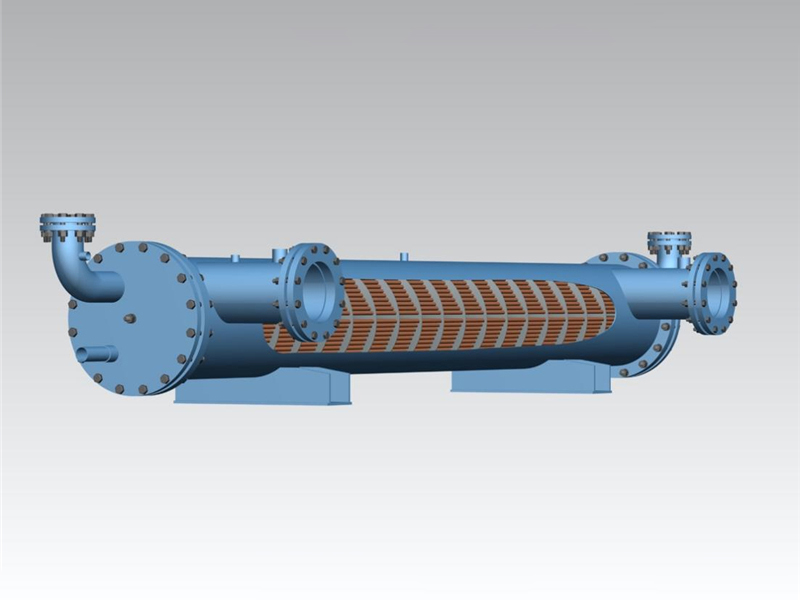 High-Efficiency Straight-Tube DX Condenser with Spiral Baffle
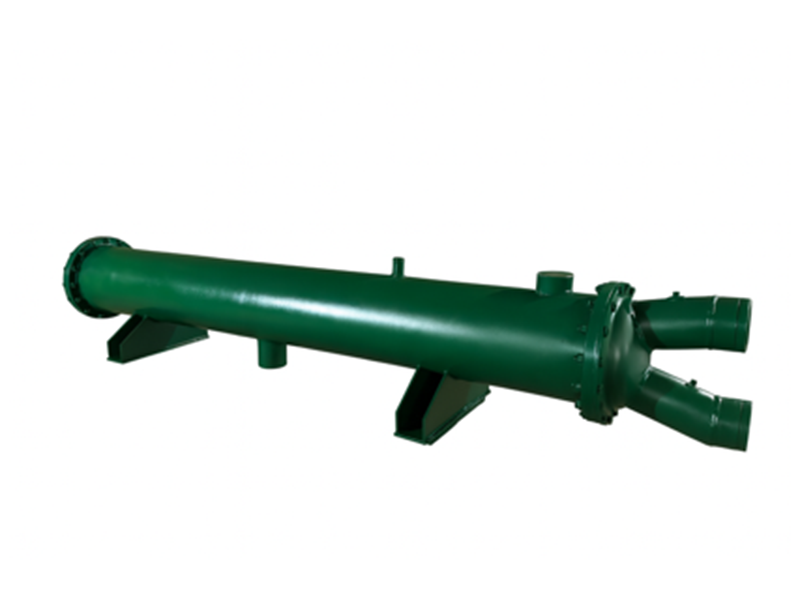 Efficient Straight-Tube Single-Pass Condenser for Optimal Transfer
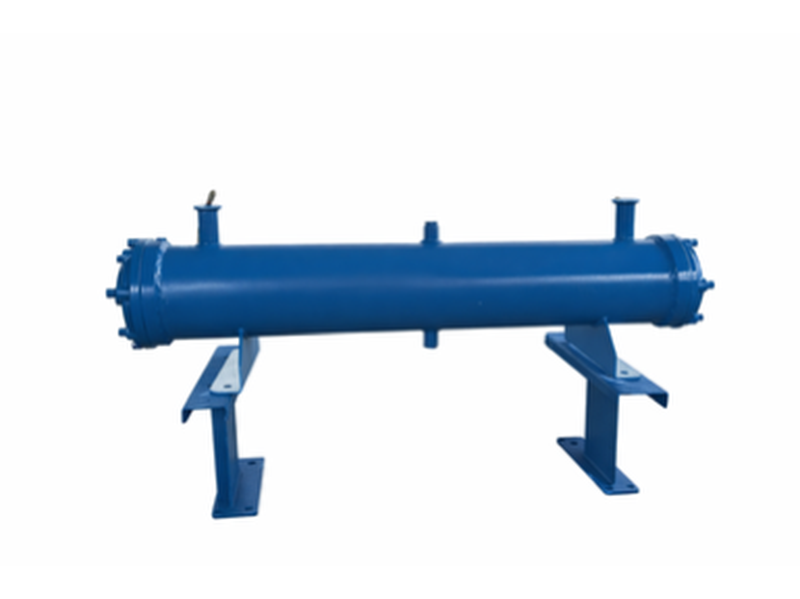 High-Quality Single-Circuit Condenser for Industrial HVAC Solutions
Single-Circuit Condenser - Reliable Performance from Leading Factory
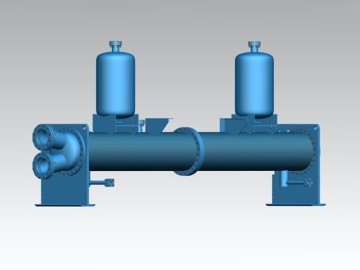 Multi-Systems Flooded Evaporator with Condenser & Oil Separator
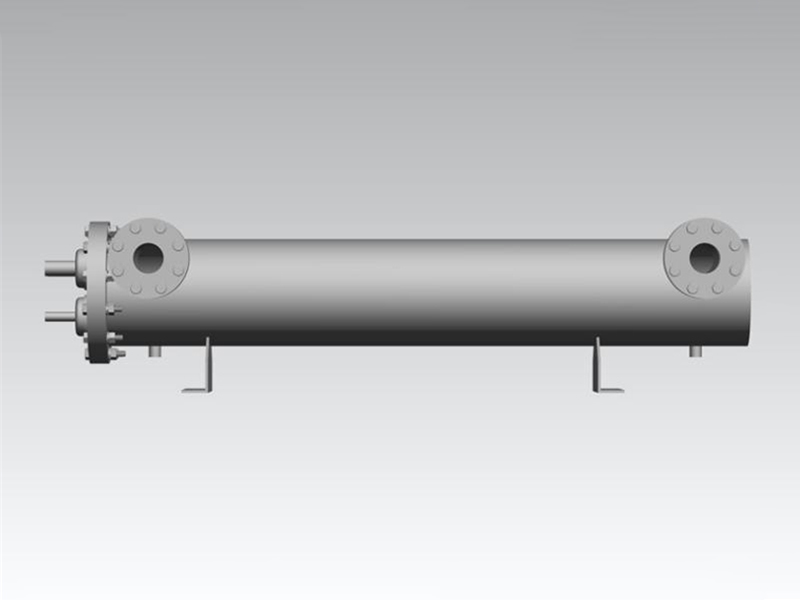 China U-Tube Multi-Pass Condenser for Industrial Steam Use
Single-Circuit Condenser | Reliable Factory Solution for Steam Apps
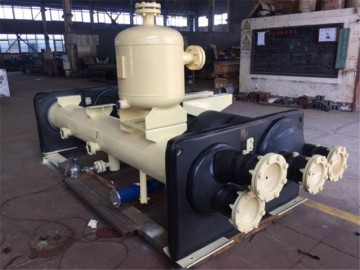 Single-Pass Flooded Evaporator with Condenser & External Oil Separator
Driven by a strong sense of mission toward the advancement of China’s refrigeration industry, Qiaoxin is committed to applying cutting-edge refrigeration technologies to promote harmonious coexistence between humanity and nature. Looking ahead, the company will continue to follow a path of harmonious, healthy, and scientifically grounded development, upholding the philosophy that “character comes before products, and quality is the lifeblood of an enterprise.” With dedication and enthusiasm, Qiaoxin strives to provide customers with high-value products and reliable, efficient service.
Contact Us for Steam Recovery Solutions